The Mid-seventeenth-century Chesapeake Is Best Described as a N
Society--- By the end of the seventeenth century the Chesapeake could best be described as a plantation society dominated by a slaveholding aristocracy. Certain aspects of this model fit well with deer harvest patterns at two other Contact-period sites in the greater Chesapeake region.
2
An English nobleman d.

. Before the arrival of the European colonists old-growth forest covered approximately 95 percent of the region. What were their aspirations and to what extent were those aspirations fulfilled during the seventeenth century. Summary of the key terms events and concepts of the early Chesapeake and Southern colonies If youre seeing this message it means were having trouble loading external resources on our website.
Of the colonial era has usually been told as if white European males acted alone in settling North AmericaPrior to the mid-twentieth century history books generally gave only slight attention to the lives of colonists who lacked access to powerservants women Native. By the mid-1700s almost the entire Chesapeake Bay region was settled by Europeans. By the later 1660s the supply of European servants to the Chesapeake lessened as fewer whites were willing to.
Which of the following was NOT a consequence of the Great Awakening in the American colonies during the mid-eighteenth century. Which of the following best describes the United States position in the world economy during. Early in the seventeenth century the status of slave and indentured servant was quite similar.
Full PDF Package Download Full PDF Package. A major problem has been the lack. In eighteenth-century Virginia and Maryland most slaveholders __________.
As settlements grew so did the need for labor. Seventeenth-century Chesapeake Planters Could Be Best Described as Get link. At least one mid-eighteenth-century example is known from Elmina Castle in Ghana and records described by Christopher DeCorse 2001 for Ghana suggest the UNCORRECTED PROOF.
Seventeenth-Century Chesapeake Robert D. Identify the three Navigation Acts. Throughout the 17th century tobacco plantations spread along natural waterways which were the only practical way to move huge heavy barrels of dried tobacco called hogsheads to port.
One pipe from a Pennsylvania Susquehannock context which pre-dates the mid-16th century is the earliest known example of a star-motif pipe14 Over a century and a half later Chesapeake pipes embellished with stars enjoyed increasing popularity on 17th-century colonial plantations15 These star-motif pipes are elbow pipes with a variety of bowl. Archaeological and Architectural Perspectives on the Seventeenth-Century Chesapeake. First 1660 Second 1663 Third 1673 First - banned non-English trade for the colonies and required sale of certain products exclusively to England.
In the early seventeenth century colonists in the Chesapeake Bay area exported which of the following to England. By the mid-1980s younger scholars saw the early Chesapeake as a field overcrowded and overdone and so they shifted the locus of new research to mid-eighteenth-century Virginia and Maryland the Lower South the. 0812pm Proof 1 5 Passing for Black in Seventeenth-Century Maryland 1081 Kelso W.
Owned fewer than five slaves. Which of the following was an important difference between the slave population in the Chesapeake and the slave population in South Carolina and Georgia in the mid-seventeenth century. Third - imposed duties on the coastal trade.
Some of the notable characteristics of Chesapeake life in the seventeenth century were that most of the population of early Chesapeake was killed because of diseases like malaria dysentery and typhoid. The current debate about relationships between American origins and European precedents has engaged geographers at a number of levels. These diseases cut 10 years from the life expectancy of new settlers from England.
The Englishman John Smith is best described as. This made slaves profitable because planters could rely not only on their labor but that of their children as well. The impact of humans on the environment had changed drastically from the time of native hunter-gatherers.
Describe the labor system used in the Chesapeake Bay during the seventeenth century- indentured servants and slaves. In the Chesapeake region during the mid- seventeenth century how similar was the experience of an indentured servant. Identify the social origins of the elite who emigrated in the mid-seventeenth century and collectively their social and cultural values can best be described as those of Cavaliers and Royalists.
Ment in the region in the seventeenth and early eighteenth centuries. Native American hunt- ers at the mid- to late-seventeenth-century Graham-White site located less than 40 miles northeast of Trigg displayed a similar preference for prime-age deer Moore 1994b 1997. 37 Full PDFs related to.
By 1775 the forest acreage had dropped to 70 percent. In the seventeenth century new england puritans tired to create a model societ. A close friend of King James.
Archaeology of Country Life in Colonial 1082 Virginia. For the period before 1750 analyze the ways in which britains policy of salutary neglect influenced the developement of american society as showed in. Another characteristic is that women were severely outnumbered by men.
After 1660 the Chesapeake colonies enforced laws that defined slavery as a lifelong and inheritable condition based on race. The elite together with the mass of immigrants. A short summary of this paper.
FSPB-126567 Chapter ID 5 August 9 2010 Time. A soldier of fortune c. White people were a tiny minority in the Caribbean.
University 1080 of North Carolina Press Chapel Hill NC. About 90 percent of those who migrated to the Chesapeake in the 17th century came as. M 1984 Kingsmill Plantations 16191800.
Second - required that all goods shipped from Europe to the colonies had to pass through England for taxation. Mitchell Department of Geography University of Maryland College Park MD 20742 Abstract.
Imagining The West Indies A Seventeenth Century English Map Of Montserrat Winterthur Portfolio Vol 53 No 1

Mid 17th Century 17th Century Fashion 17th Century Clothing Fashion History
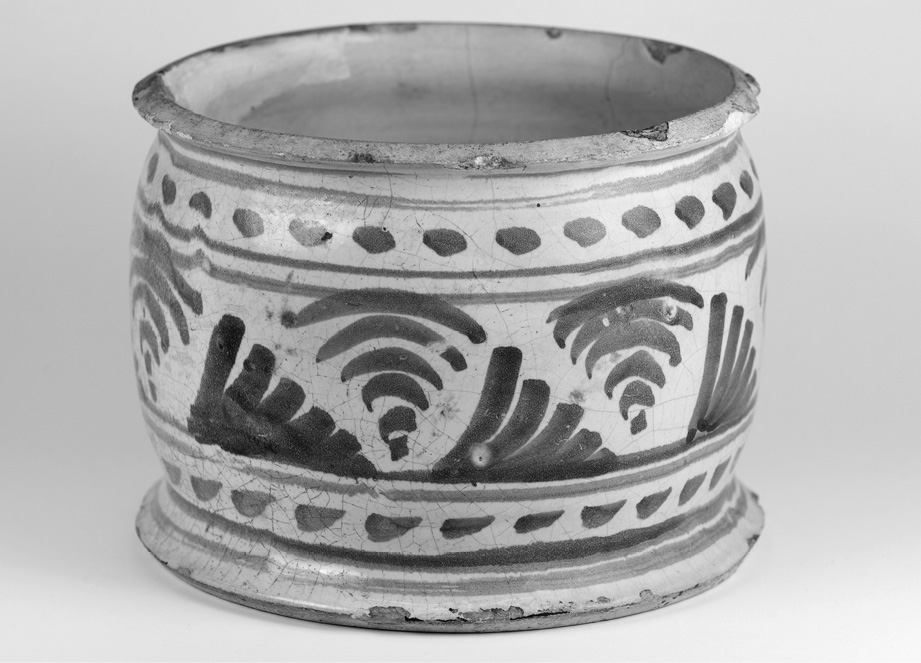
Foundations Of The Seventeenth Century English Atlantic World Part I An Archaeology Of The English Atlantic World 1600 1700
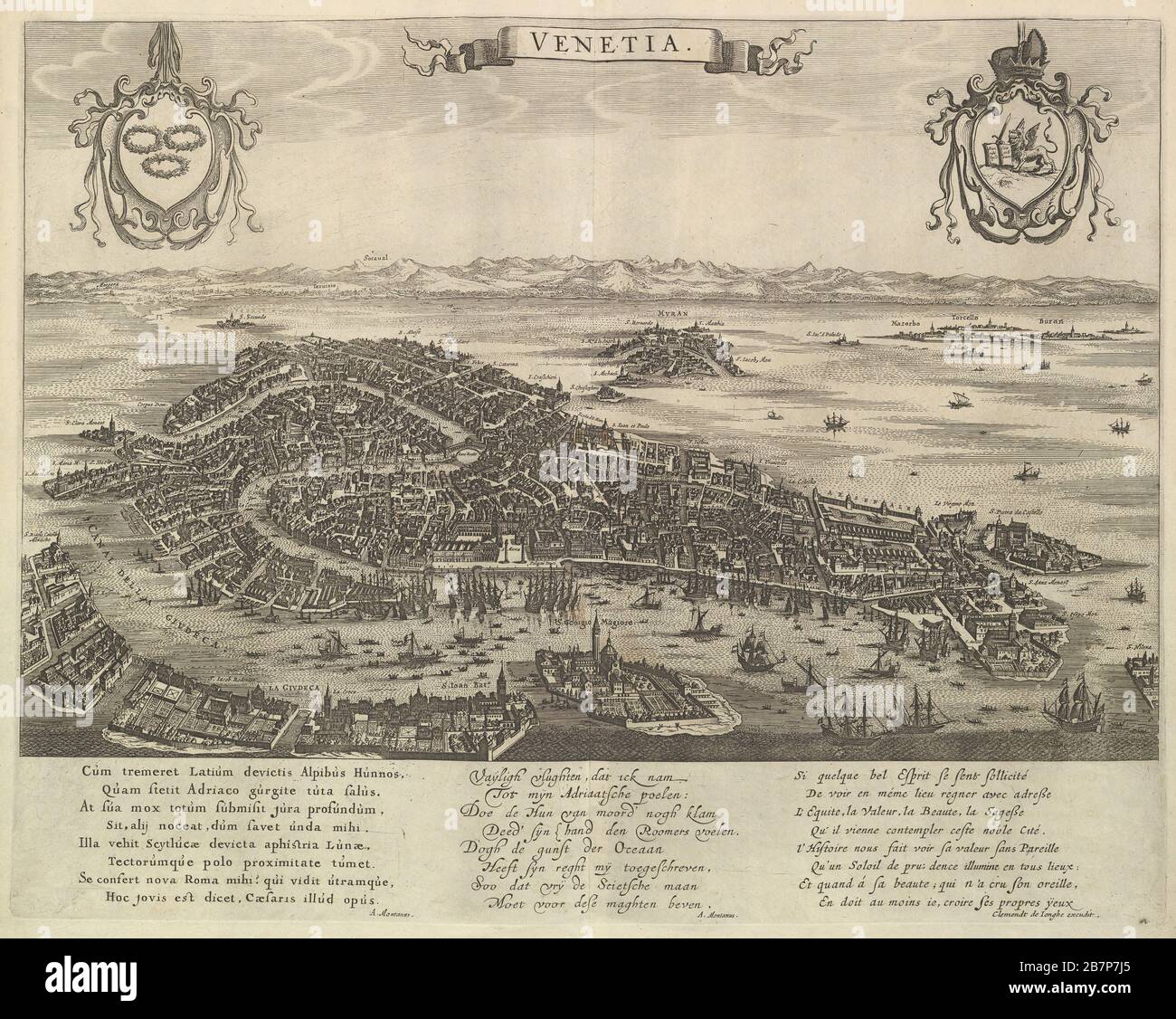
17th Century Trading Ship High Resolution Stock Photography And Images Alamy

Pin On 17th Century Mariner
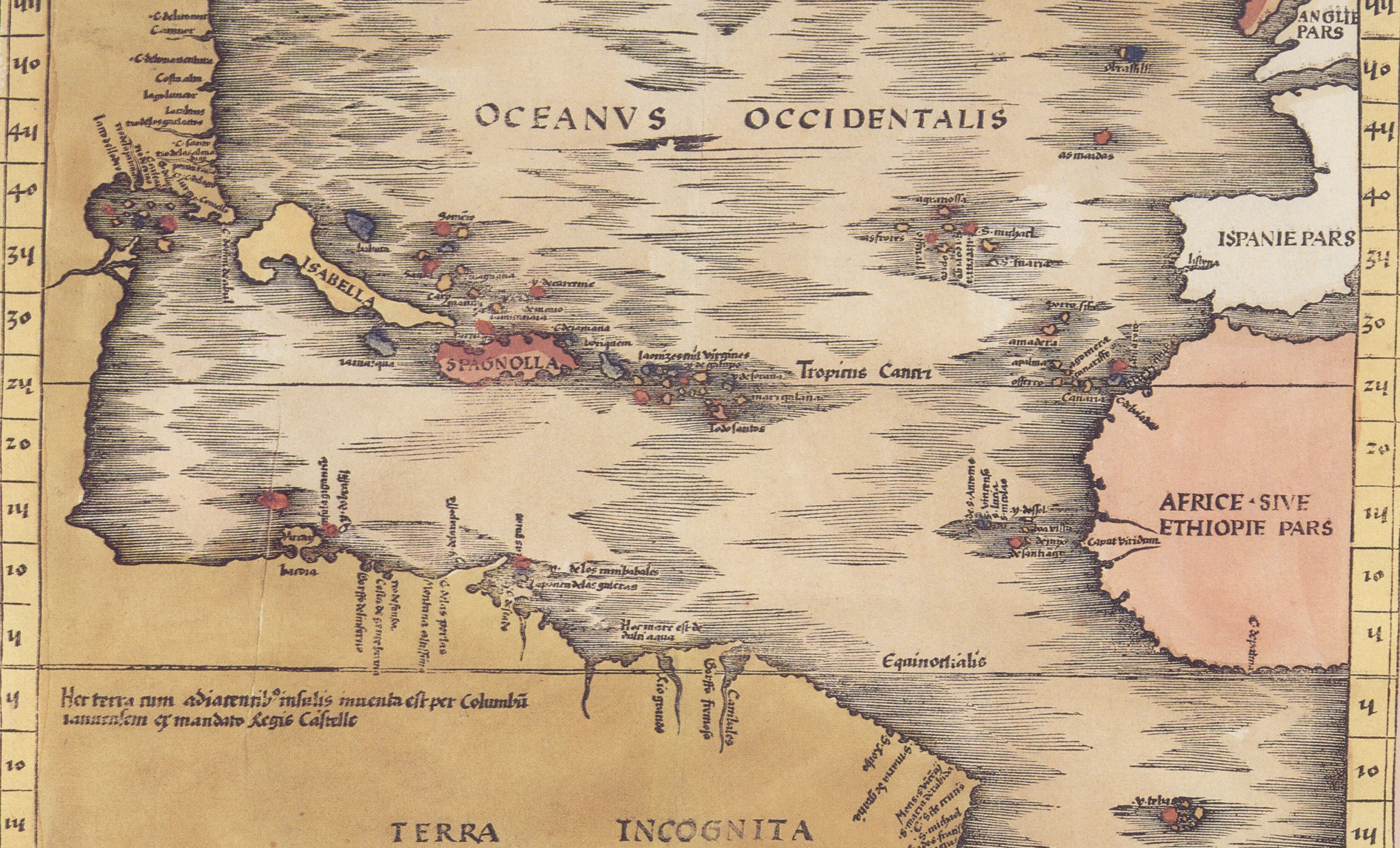
F17 2 Colliding Cultures The American Yawp

Bodice And Skirt Mid 17th Century From The Museum Of Applied Arts 17th Century Fashion Historical Fashion Historical Dresses
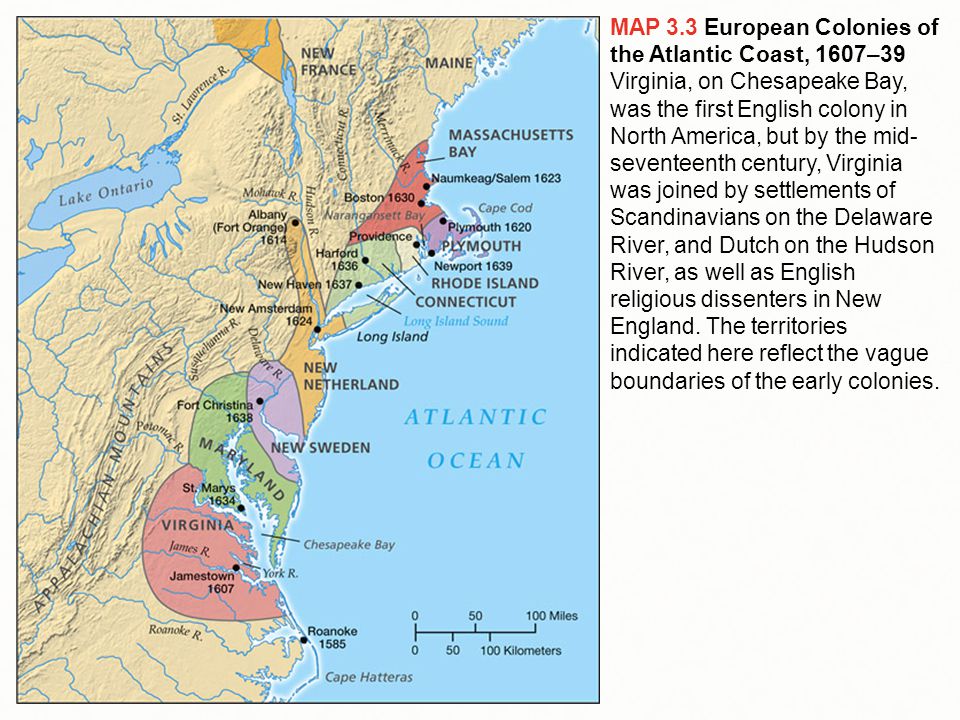
Chapter 3 Planting Colonies In North America Chapter 3 Planting Colonies In North America Ppt Download

Pin On Soldiers 1200 1700
2
2

Choptank River World Geography Map Ocean City
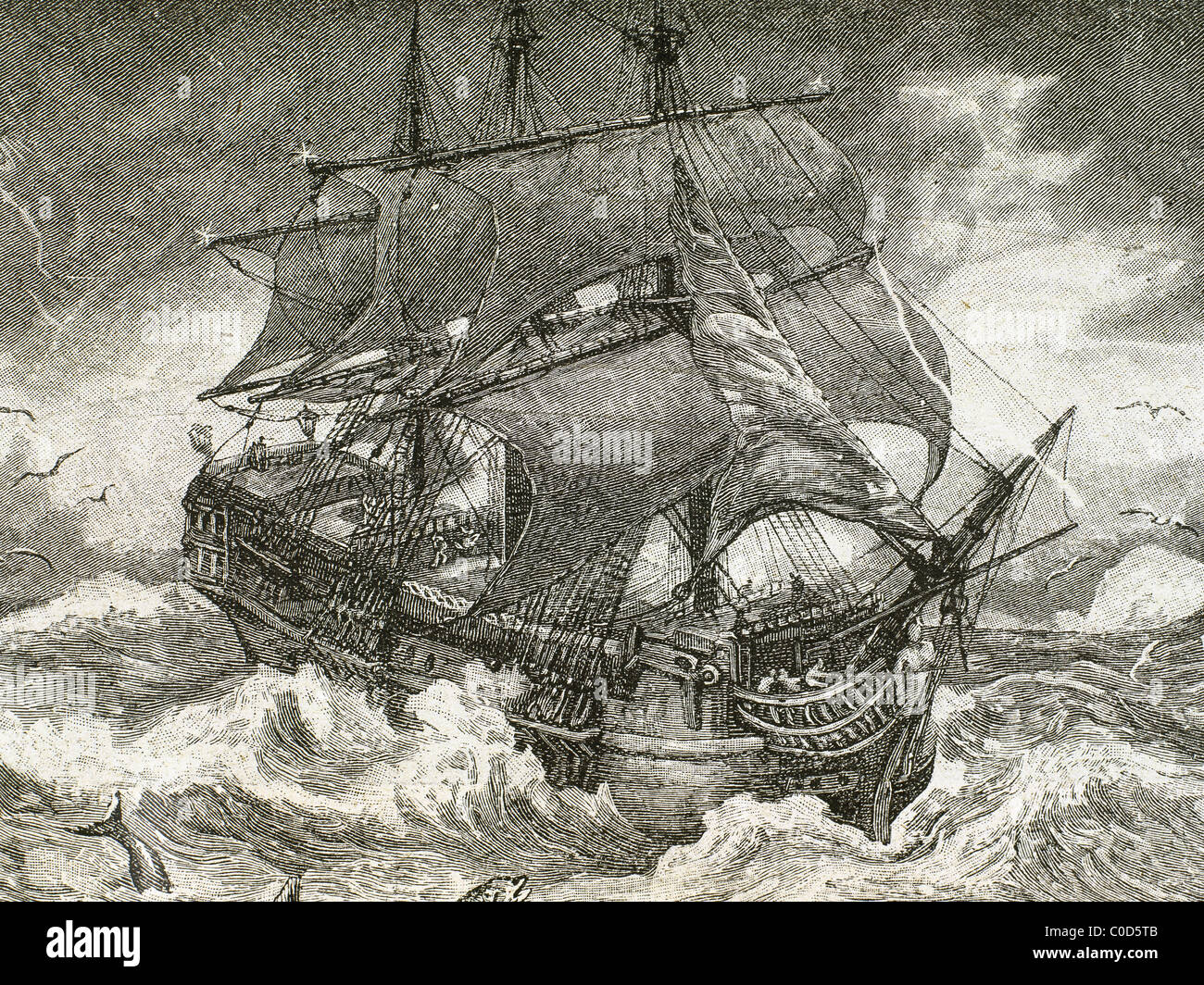
17th Century Ship High Resolution Stock Photography And Images Alamy
2

Pin On Ds Horse Equipment
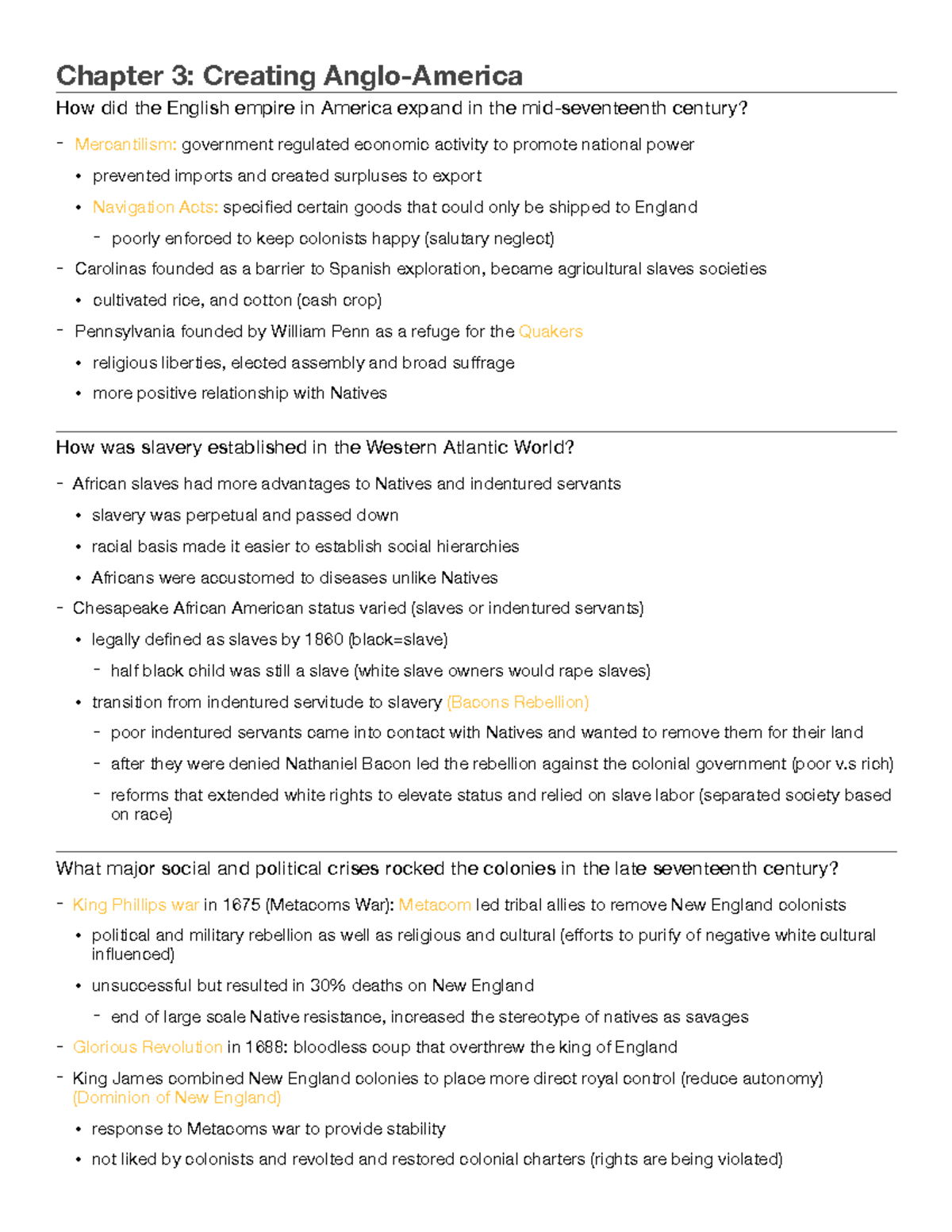
Ch 3 Notes Give Me Liberty An American History Chapter 3 Creating Anglo America How Did The Studocu
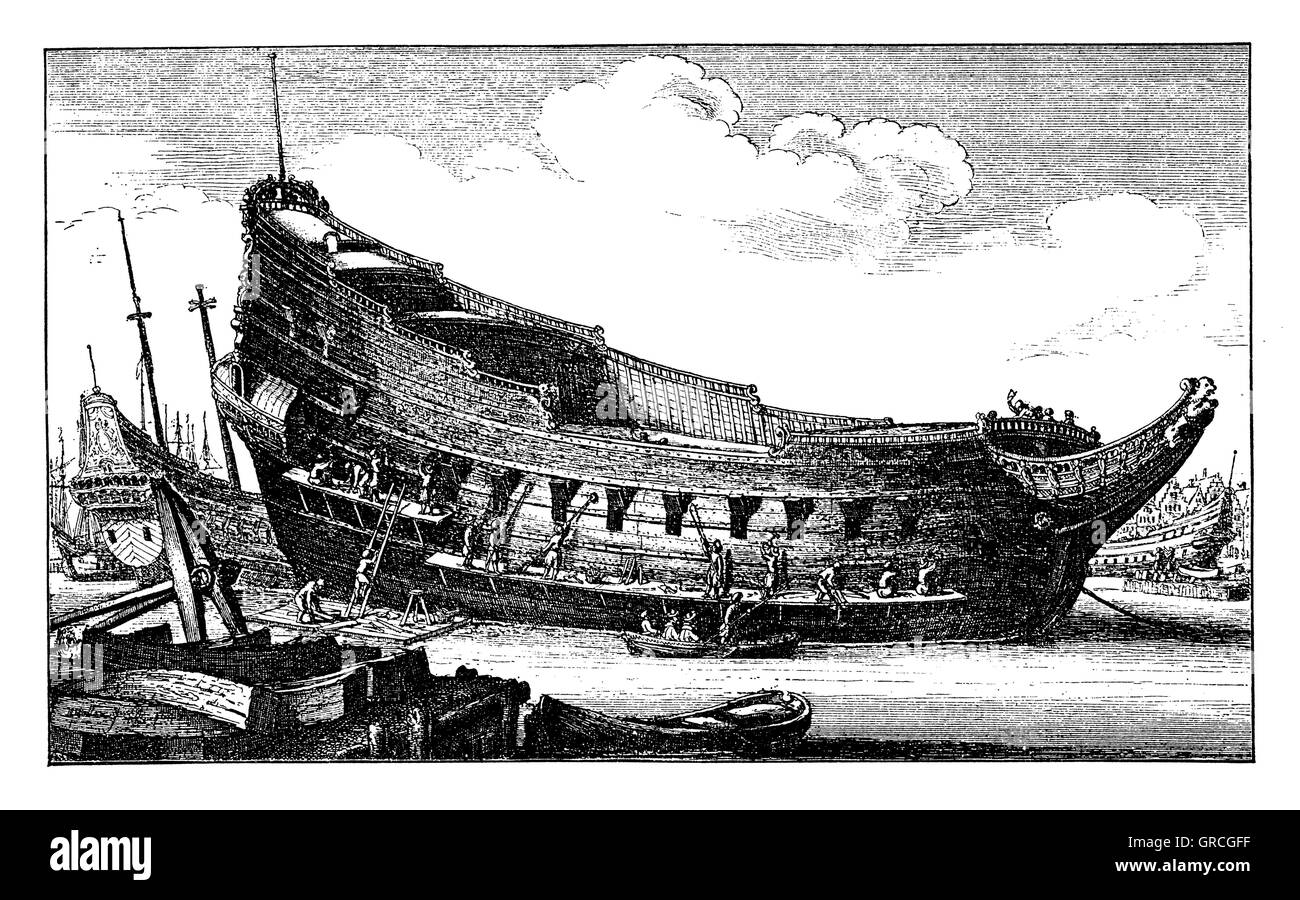
Dutch Warship High Resolution Stock Photography And Images Alamy
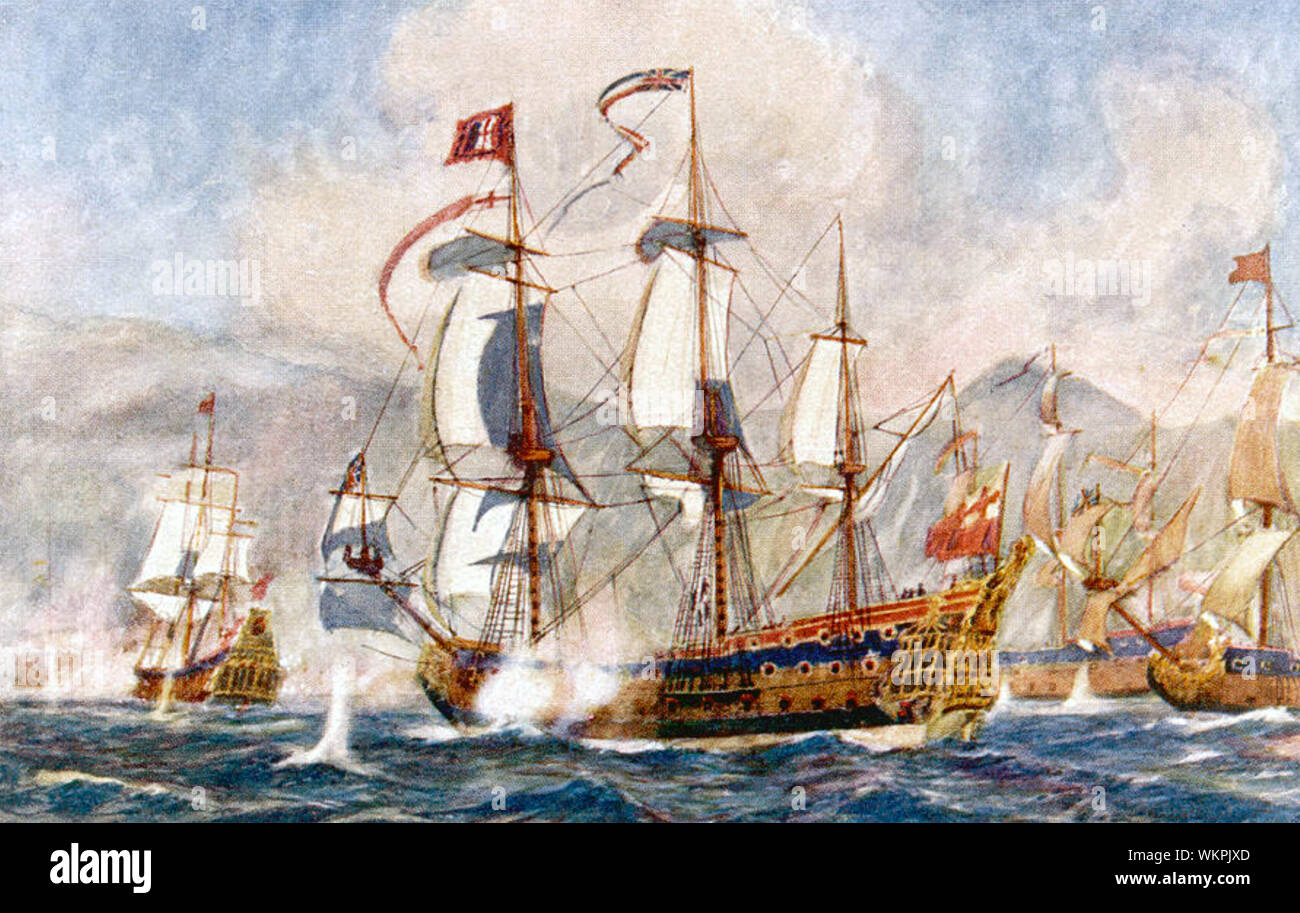
17th Century Ship High Resolution Stock Photography And Images Alamy

English Settlements In America Us History I Os Collection

Comments
Post a Comment